When Devotion Becomes a Weight: The Hidden Toll of Praying for Everyone Else

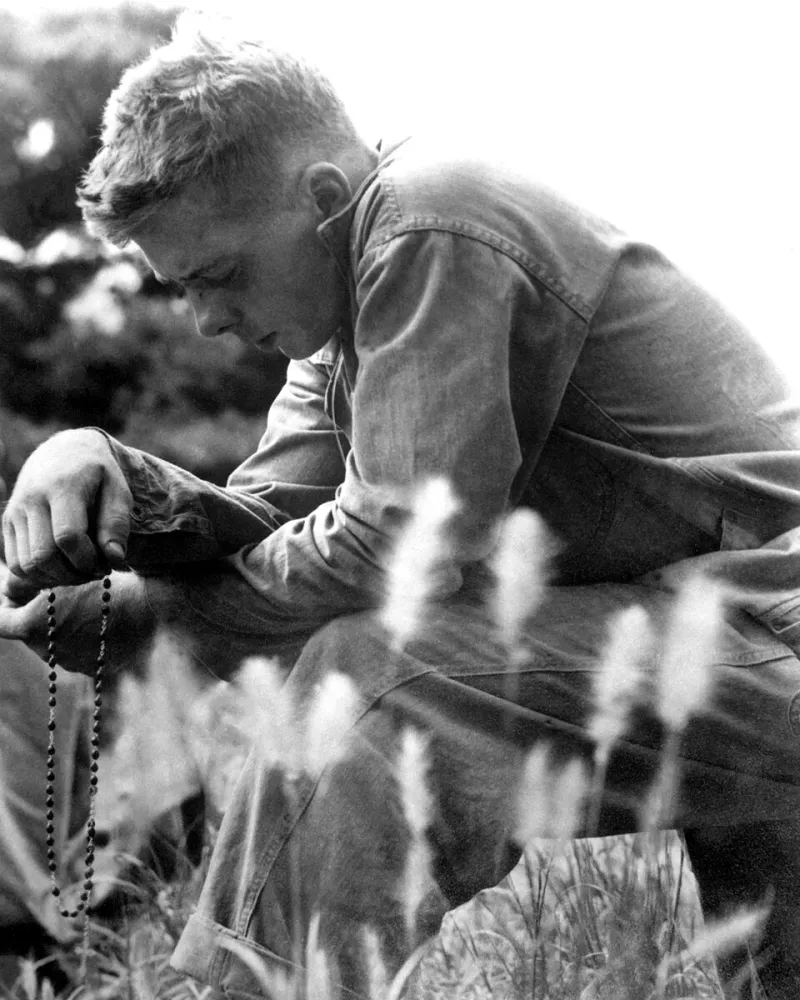
Photo: Basile Morin, CC BY-SA 4.0, via Wikimedia Commons
Across the United States, intercessory prayer is often organized with the quiet efficiency of a volunteer rota. A church prayer team receives requests by email. A synagogue caring committee circulates names before Shabbat. A mosque group chat fills with requests for du'a. A Buddhist meditation circle reads aloud a list of people who are ill. The work is usually invisible, and it is usually done by the same few people.
These are the intercessors: the prayer warriors, pastoral visitors, liturgy volunteers, and contemplative practitioners who hold other people's needs before the divine. Their discipline is ancient and widespread. It is also, in many American congregations, quietly unsustainable. The question now facing clergy, therapists, and lay leaders is not whether intercession matters. It is how to keep the people who practice it from being consumed by it.
The List That Never Ends
Intercessory prayer appears in nearly every major tradition. Christians pray for the sick, the dying, and the estranged. Jews recite the Mi Shebeirach for healing and the Kaddish for the dead. Muslims make du'a for family, strangers, and the ummah. Buddhists cultivate metta, or loving-kindness, and dedicate merit to others. In each case, the pray-er becomes a kind of container for need.
In American life, that container can fill quickly. Prayer requests arrive through church apps, hospital visits, family text threads, and social media. Many intercessors keep handwritten lists that grow faster than they can be prayed. They report waking at night with names on their minds, feeling responsible for outcomes they cannot control, and wondering whether they are praying correctly or enough.
The burden is not imaginary. It is a moral and emotional load that traditions have long recognized, even if they have not always named it in clinical terms.
When Care Becomes a Cost
Psychologists use terms such as compassion fatigue and vicarious trauma to describe what can happen when people are repeatedly exposed to others' suffering. Compassion fatigue is often marked by exhaustion, emotional numbness, irritability, and a sense of detachment from the very people one wants to help. Vicarious trauma can involve intrusive thoughts, altered beliefs about safety, and a lingering sense of dread.
These categories were developed in caregiving and emergency-response contexts, not specifically for prayer. But researchers who study clergy, chaplains, and volunteers have found that spiritual caregivers are not immune. The intercessor who listens to every diagnosis, every family crisis, and every urgent request may begin to carry a residue of fear that belongs to someone else.
The clinical literature also distinguishes burnout from compassion fatigue. Burnout tends to involve exhaustion from workload and institutional pressure. Compassion fatigue is more relational; it arises from the emotional cost of encountering suffering. An intercessor can experience either, or both, especially when prayer is treated as an unpaid, round-the-clock assignment.
What the Research Suggests
Studies of helping professionals point to several protective factors: clear boundaries, social support, supervision, rest, and what researchers call compassion satisfaction, the sense of meaning that comes from caregiving. These factors translate reasonably well to prayer ministry. Intercessors who pray in community, share the load, and receive pastoral support tend to fare better than those who pray alone through long lists.
A further complication is the way some communities frame intercession. Language about spiritual warfare, urgent need, and unceasing prayer can intensify pressure. The phrase pray without ceasing is a biblical invitation to constant awareness, but it can be heard as a demand to never stop. The difference matters. Traditions generally commend perseverance, not self-erasure.
It is also important to be precise about what prayer is not. Clinical research has not established intercessory prayer as a reliable medical intervention for distant recipients. That does not make prayer meaningless. It does mean that intercessors should not be asked to believe that the outcome depends on their personal vigilance. Such a belief turns devotion into a form of surveillance and places an impossible weight on finite people.
Guardrails From the Traditions
Christian communities have resources for this problem. Sabbath rest, communal prayer, and the division of labor among clergy and laity all suggest that intercession is a shared ministry, not a solitary heroic feat. Many churches now rotate prayer teams and offer debriefing for those who pray with the sick.
Jewish practice locates healing prayer within community. The Mi Shebeirach is recited in the presence of the congregation; the minyan carries the prayer together. Islam emphasizes du'a alongside tawakkul, trust in God, and encourages communal supplication rather than private worry without end. Buddhist metta practice includes equanimity, a deliberate cultivation of balance that prevents compassion from collapsing into absorption.
These are not modern therapeutic fixes imposed on old traditions. They are internal correctives that have always been present. The problem arises when American voluntarism strips prayer of its communal containers and turns it into one more item on a to-do list.
The Discipline of Limits
What might faithful intercession look like when it is sustainable? Some intercessors shorten their lists and pray in cycles rather than all at once. Others pray with a partner, write names on cards and release them, or end each session with a fixed prayer that returns the outcome to God. Congregations can train prayer volunteers in listening skills, offer confidential supervision, and make clear that stepping back is not a failure of faith.
For some people, professional support is appropriate. If prayer has become a source of intrusive worry, sleeplessness, or despair, a therapist or pastor should be involved. The goal is not to pray less faithfully. It is to pray as a creature rather than as a savior.
The intercessor's burden is real, but it is not meant to be carried alone. The traditions that gave Americans the practice of praying for others also gave them the means to pray without being destroyed by it. Recovering those means may be one of the most important pastoral tasks of the decade.